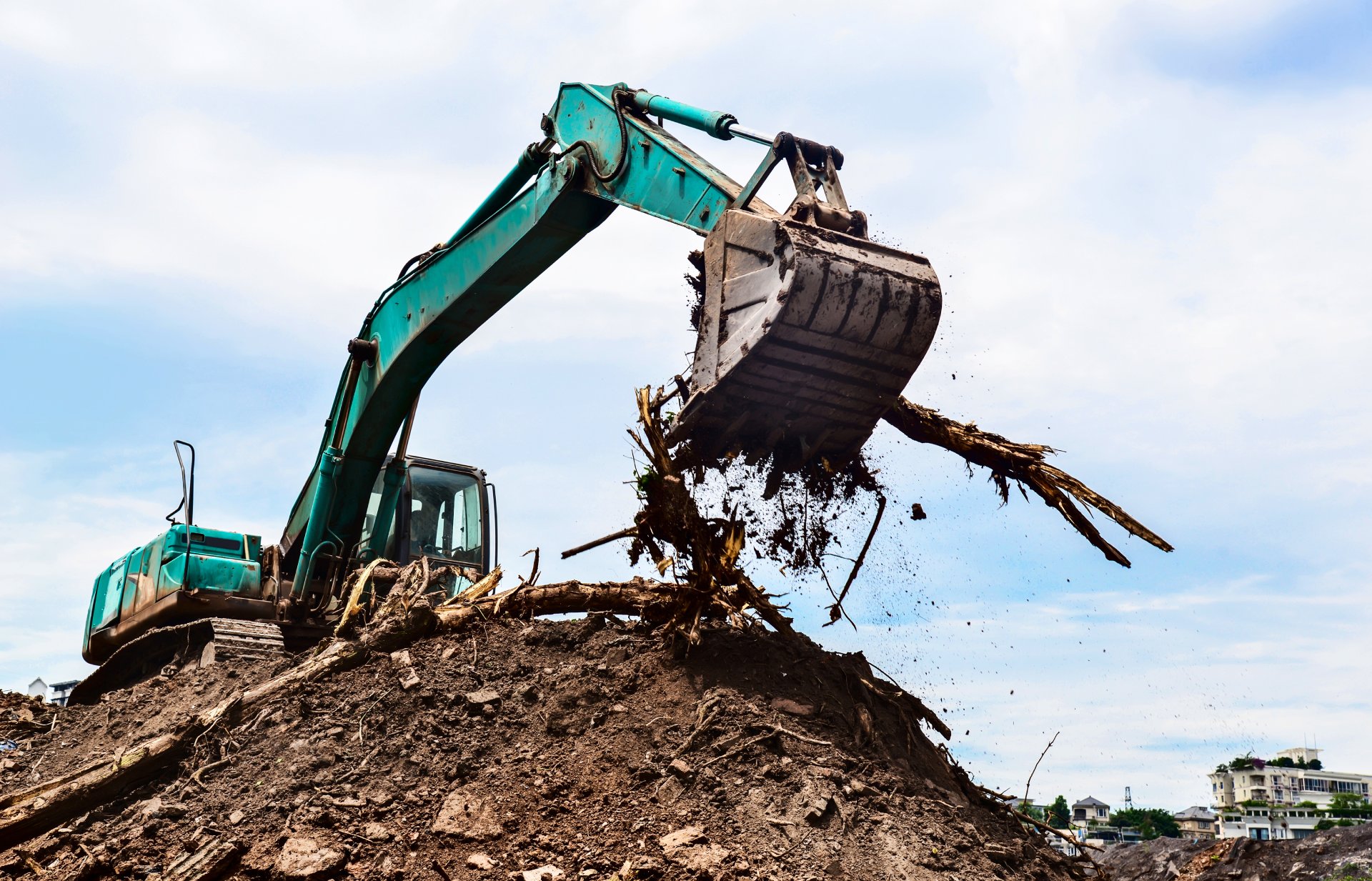
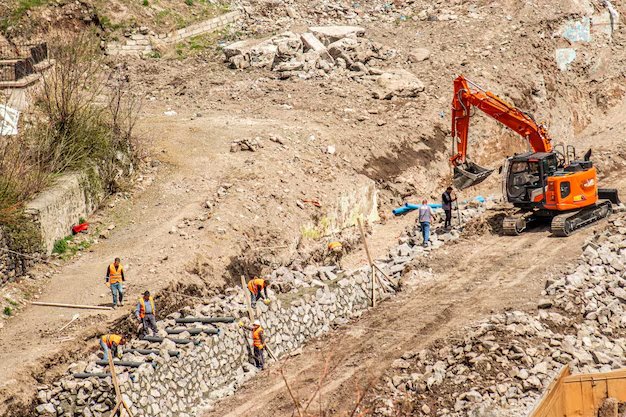
Professional earthwork debris removal involves the systematic collection, hauling, and disposal of materials generated during land clearing, excavation, and construction.
Providing a clear service description is essential for setting expectations regarding site safety, environmental compliance, and project timelines.
Core Service Offerings
A comprehensive debris removal service typically covers the following categories of waste:
Natural Vegetation: Removal of stumps, felled trees, brush, and organic “overburden” (topsoil mixed with organic matter).
Inert Construction Materials: Hauling away concrete slabs, bricks, asphalt, and masonry rubble.
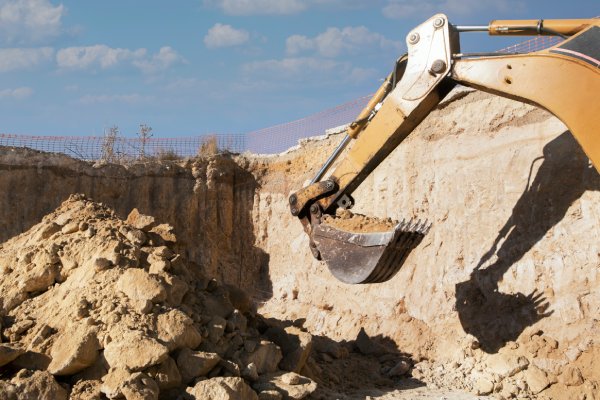
Excavated Spoils: Removal of excess dirt, rock, and boulders that cannot be reused for backfilling on-site.
Contaminated Soil: Specialized handling for soil containing hazardous materials (requires specific environmental certification).
Operational Process
Efficiency in earthwork depends on a streamlined workflow to ensure the site remains clear for subsequent construction phases.
1. Site Assessment & Classification
Before removal begins, a site survey is conducted to classify the waste. This determines whether materials can be recycled (like concrete being crushed for road base) or must be sent to a landfill.
2. Loading and Staging
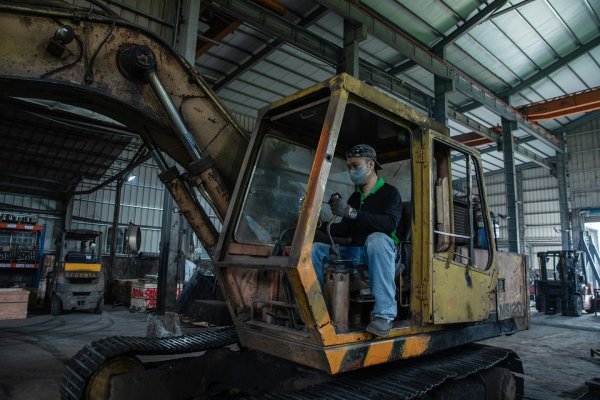
Heavy machinery, such as skid steers, backhoes, or excavators, is used to consolidate debris into manageable piles or directly into hauling vehicles.
3. Hauling and Transportation
Debris is transported using high-capacity vehicles suited for heavy loads:
Dump Trucks: Standard for dirt and small rubble.
Side Dumps/End Dumps: Used for large-scale projects requiring rapid unloading.
Roll-off Containers: Ideal for smaller sites where debris is collected over several days.
4. Disposal and Documentation
Final disposal occurs at licensed facilities. For commercial projects, “dump tickets” or tipping receipts are provided as proof of legal and environmentally responsible disposal.
Key Benefits of Professional Removal
Enhanced Safety: Removing piles of sharp rubble and unstable dirt minimizes trip-and-fall hazards for crew members.
Regulatory Compliance: Ensures adherence to local environmental laws regarding runoff and illegal dumping.
Project Momentum: Keeps the workspace clear, preventing delays for foundations, utility installations, or landscaping.
Sustainability: Professional services often divert up to 70% of debris from landfills by sending concrete and wood to recycling centers.
Key Features
- Large-scale debris removal
- Excavation waste handling
- Site preparation services
- Heavy-duty equipment
- Professional operators
- Proper waste disposal
Gallery Images
Get In Touch
Related Posts