A comprehensive waste management service covers the entire lifecycle of waste, from the moment it is generated to its final disposal or repurposing.
Below is a detailed breakdown of the standard service components, typical waste categories, and the operational hierarchy used in the industry.
1. Core Service Components
Professional waste management typically involves a multi-stage process:
Waste Auditing & Consulting: Analyzing the volume and types of waste a business produces to create a customized reduction and disposal plan.
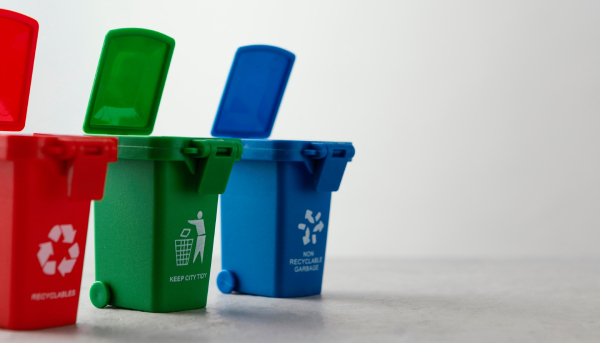
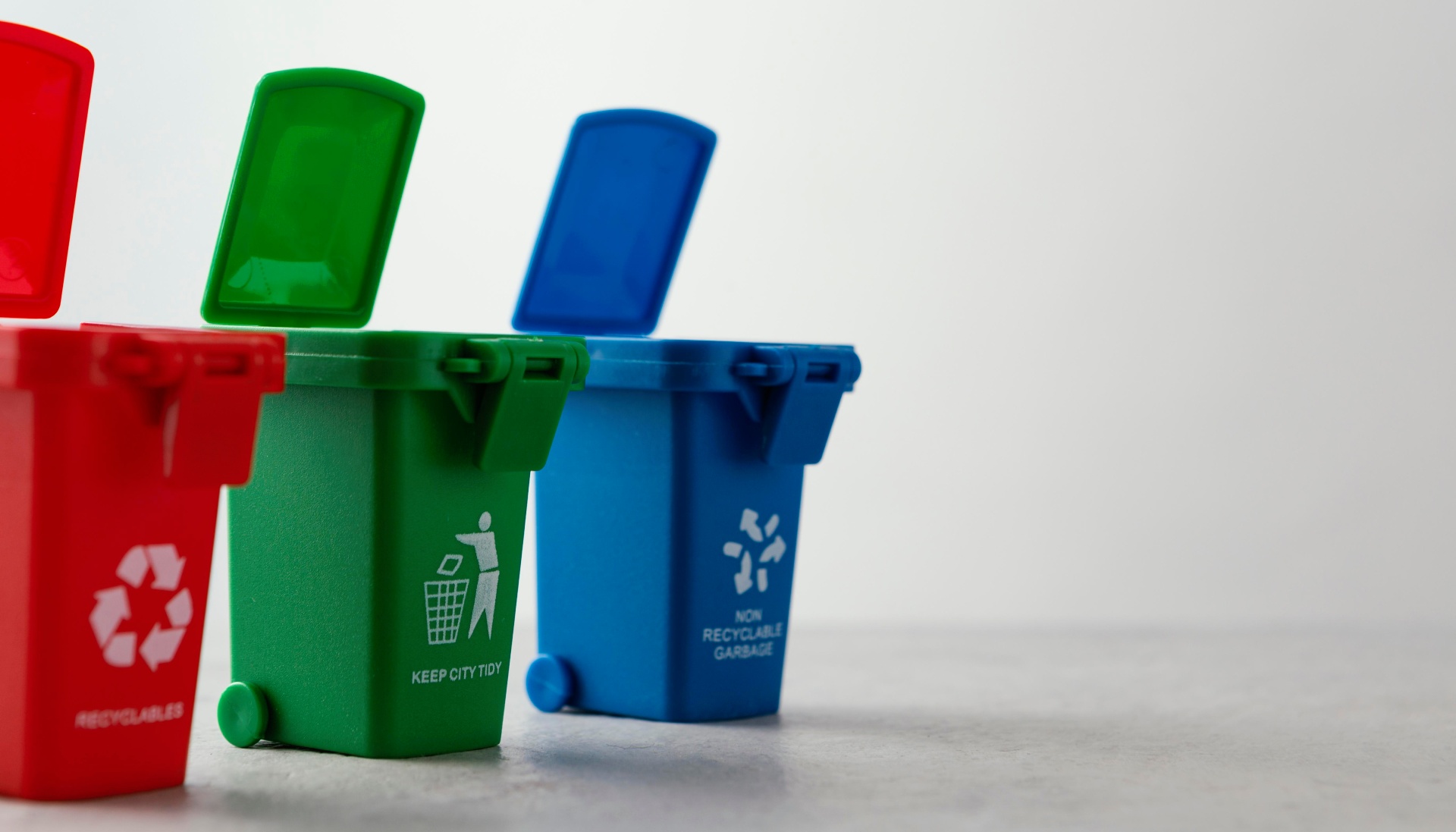
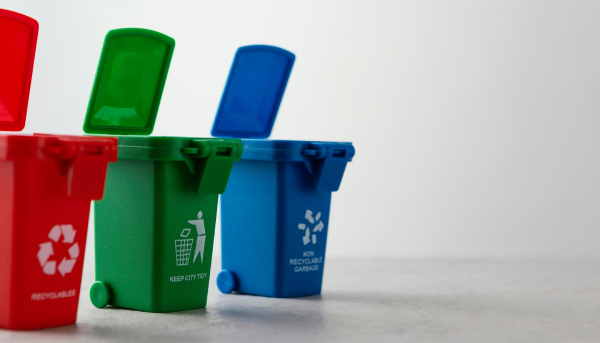
Collection & Segregation: Providing specialized bins or dumpsters for different waste streams (e.g., dry, wet, hazardous) and scheduled pick-ups.
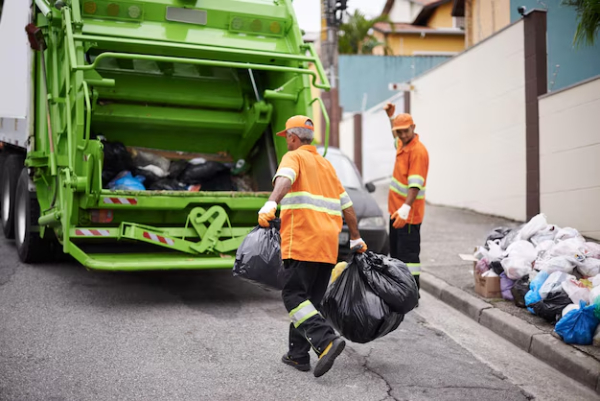
Transportation: Using specialized vehicles to move waste from the source to transfer stations or treatment facilities.
Treatment & Processing:
Composting: Converting organic waste into nutrient-rich soil.
Incineration: Controlled burning of waste to reduce volume, often capturing energy in the process (Waste-to-Energy).
Anaerobic Digestion: Breaking down organic matter in the absence of oxygen to produce biogas.
Disposal: Managing sanitary landfills for non-recyclable materials, ensuring they are lined and monitored to prevent environmental contamination.
2. Specific Service Categories
Different industries require specialized handling based on the nature of their waste:
| Service Category | Typical Waste Items | Common Methods |
| Municipal (MSW) | Household garbage, food scraps, packaging. | Collection, Segregation, Landfilling. |
| Industrial | Scrap metal, slag, chemical by-products, fly ash. | Resource Recovery, Chemical Treatment. |
| Hazardous | Batteries, solvents, pesticides, paints. | Authorized TSDF (Treatment, Storage, Disposal). |
| Biomedical | Sharps, infectious materials, pharmaceuticals. | Autoclaving, Incineration. |
| E-Waste | Computers, phones, circuit boards, batteries. | Dismantling, Precious Metal Recovery. |
| Agricultural | Crop residues, animal manure, husks. | Composting, Biogas Generation. |
3. The Waste Management Hierarchy
Most modern services follow a prioritized framework to minimize environmental impact:
Prevention/Reduction: The most preferred stage—minimizing waste at the source (e.g., using less packaging).
Reuse: Finding new ways to use items without reprocessing them.
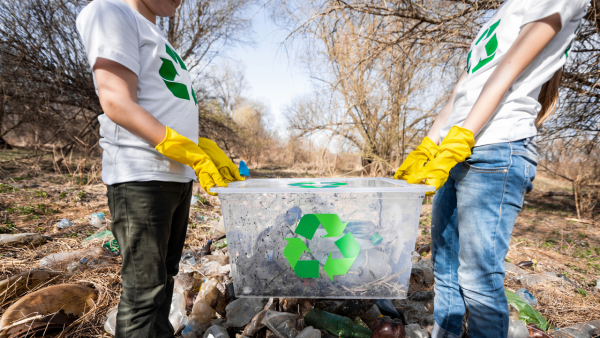
Recycling: Converting waste materials into new products (metal, plastic, paper).
Recovery: Extracting energy or materials from waste that cannot be recycled.
Disposal: The final resort (landfill or incineration without energy recovery) for remaining waste.
4. Professional Features & Benefits
When selecting or describing these services, these key operational benefits are often highlighted:
Compliance Tracking: Providing “cradle-to-grave” documentation for legal and environmental regulations.
Sustainability Reporting: Data-driven insights into how much waste is diverted from landfills to help meet “Net Zero” or CSR goals.
Specialized Equipment: Providing various bin sizes (e.g., 2 to 8-yard commercial dumpsters) and compactors for high-volume needs.
Public Health: Reducing pollution and preventing the spread of diseases by eliminating open dumping.
Key Features
- Customized waste management plans
- Waste segregation and recycling
- Industrial waste handling
- Documentation and compliance
- Regular monitoring and reporting
- Cost-effective solutions
Gallery Images
Get In Touch
Related Posts