1. Professional Cleaning Stages
A standard STP cleaning service typically follows these six critical phases:
Initial Inspection & Assessment: Technicians check sludge accumulation levels and inspect for structural damage (cracks or leaks) and mechanical wear in pumps and blowers.
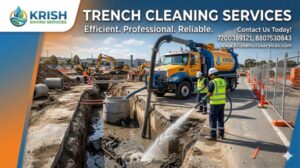
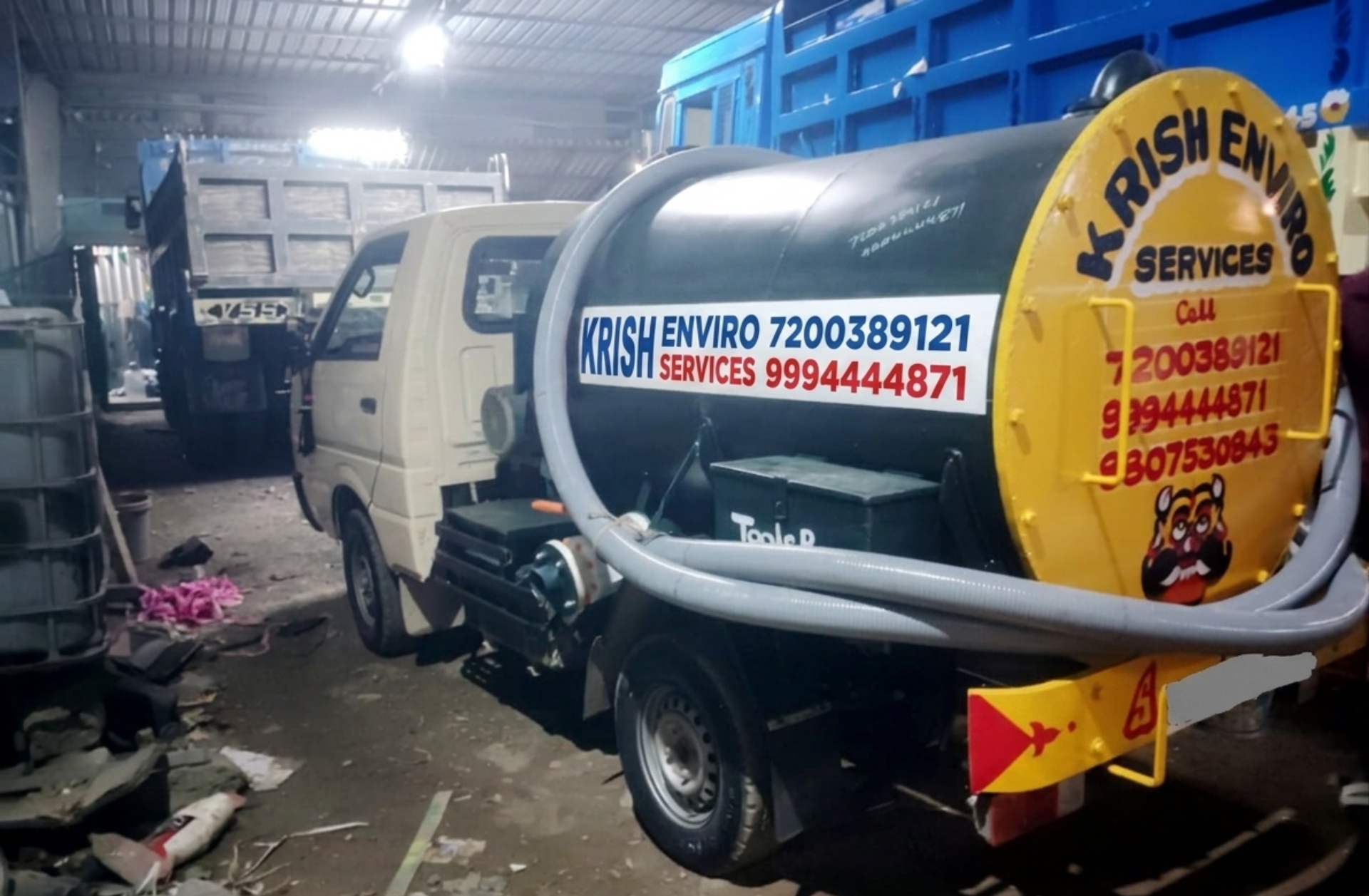
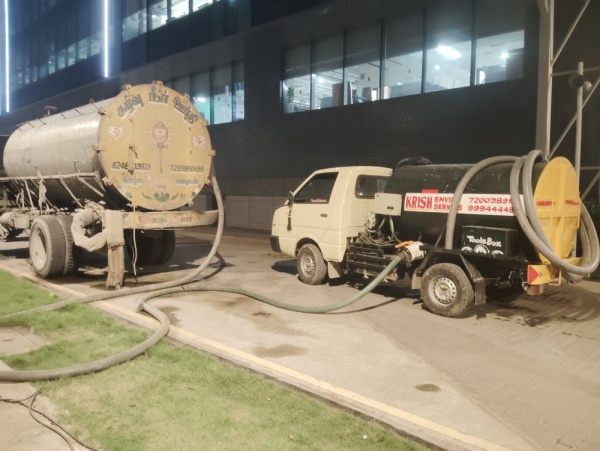
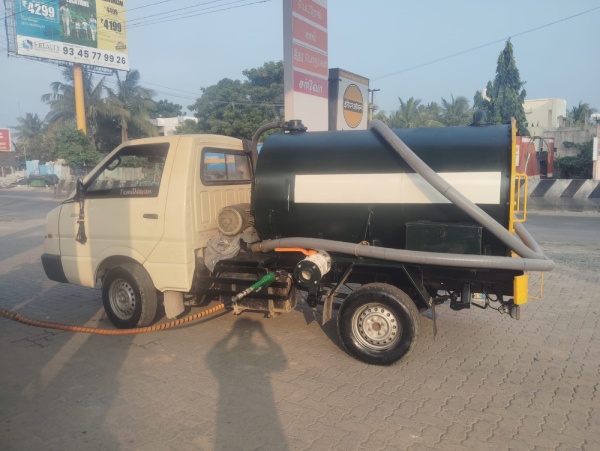
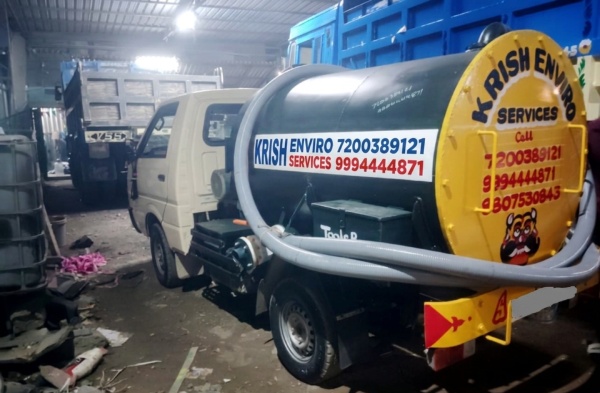
Wastewater & Sludge Removal: Using high-powered vacuum tankers, the accumulated sludge and wastewater are pumped out. This includes removing the “scum layer” (fats/oils) and the dense settled solids at the bottom.
High-Pressure Jetting: Once empty, the tank walls, pipes, and baffles are cleaned using high-pressure water jets to remove stubborn biofilm, algae, and hardened deposits.
Mechanical & Component Cleaning:
Filters & Screens: Cleaning or replacing clogged media to restore flow.
Aeration Systems: Cleaning diffusers to ensure optimal oxygen transfer for aerobic bacteria.
Sensors & Gauges: Wiping and calibrating monitoring equipment.
Disinfection & Sanitization: If required, the system is treated with specialized disinfectants to control harmful pathogens and neutralize odors.
Post-Cleaning Testing: The tank is refilled with water (to balance internal/external pressure) and tested for proper flow and mechanical operation.
2. Key Maintenance Checklist
To ensure long-term efficiency, professional services often include these technical checks:
| Component | Maintenance Action |
| Air Blowers | Check for noise/vibration; clean air filters. |
| Pumps & Valves | Lubricate moving parts; check for seal leakages. |
| Diffusers | Inspect for uniform bubble patterns. |
| Chemical Dosing | Calibrate pumps and check levels of chlorine or alum. |
| Electrical Panel | Inspect wiring and backup power systems (generators). |
3. Benefits of Regular Cleaning
Prevents System Failure: Eliminates the risk of sludge carryover, which can clog the entire treatment process and lead to expensive pump replacements.
Odor Control: Routine cleaning and proper aeration eliminate the “rotten egg” smell caused by anaerobic decomposition.
Regulatory Compliance: Ensures the effluent meets local environmental standards, avoiding legal fines and environmental pollution.
Cost Savings: Routine maintenance is significantly cheaper than emergency repairs caused by a total system overflow or collapse.
4. Safety Standards
Cleaning an STP is hazardous due to toxic gases ($H_2S$, $CH_4$) and confined space risks. Professional services must adhere to:
Gas Testing: Monitoring oxygen levels and combustible gases before entry.
PPE: Use of full-body impervious suits, rubber boots, gloves, and respirators.
Ventilation: Using forced-air blowers to ensure a safe atmosphere for workers.
Key Features
- Complete STP cleaning
- Sludge removal
- System inspection
- Preventive maintenance
- Emergency services
- Compliance documentation
Gallery Images
Get In Touch
Related Posts